The story
The moment where American sprinters Tommie Smith and John Carlos raised their gloved hands in defiance on the podium at the 1968 Mexico City Olympics is one of the most memorable images in sports history. But there is a third man in the photo, the white Australian who finished second to Smith and ahead of Carlos in the 200 meters. His name is Peter Norman, and he stands in quiet solidarity with them. Norman’s story is retold in this film with passion and perspective.
Story from TMDB.
Cast
More Like This

Icarus
2017 · ★ 7.6

Heart of a Dog
2015 · ★ 6.5

4 Little Girls
1997 · ★ 7.1

Aquaman: Heroines of Atlantis
2019 · ★ 6.2

Frida
2024 · ★ 6.8

A Toxic Love Story
2026 · ★ 6.5

Champs
2015 · ★ 6.4

O.J.: Made in America
2016 · ★ 8.4

Struggle: The Life and Lost Art of Szukalski
2018 · ★ 7.5

Murder to Mercy: The Cyntoia Brown Story
2020 · ★ 6.9

Ferrari: Race to Immortality
2017 · ★ 7.0

Naqoyqatsi
2002 · ★ 6.2

Looking for Richard
1996 · ★ 6.8

Mountain
2017 · ★ 6.9

Federer: Twelve Final Days
2024 · ★ 7.3

Ronnie Coleman: The King
2018 · ★ 6.7

The Irishman: In Conversation
2019 · ★ 7.5

S4: The Bob Lazar Story
2026 · ★ 8.4

Directed by John Ford
1971 · ★ 7.0
One Day in September
1999 · ★ 7.3
In the News
See All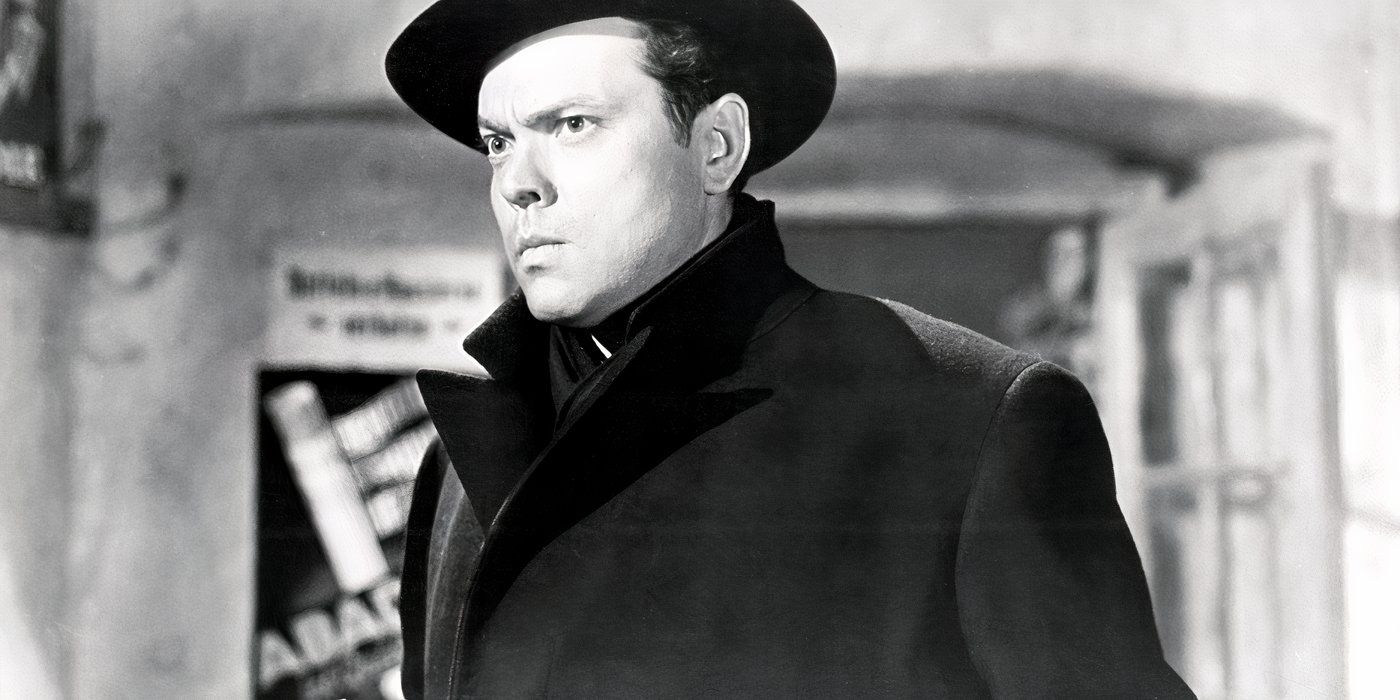
From Wikipedia
The Third Man is a 1949 film noir directed by Carol Reed, written by Graham Greene, and starring Joseph Cotten, Alida Valli, Orson Welles and Trevor Howard. Set in post-World War II Allied-occupied Vienna, the film centres on American writer Holly Martins (Cotten), who arrives in the city to accept a job with his friend Harry Lime (Welles), only to learn that he has died. Martins stays in Vienna to investigate Lime's death, becoming infatuated with Lime's girlfriend Anna Schmidt (Valli). The use of black-and-white German expressionist-influenced cinematography by Robert Krasker, with its harsh lighting and Dutch angles, is a major feature of The Third Man. Combined with the use of ruined locations in Vienna, the style evokes exhaustion and cynicism at the start of the Cold War. Greene wrote a novella as a treatment for the screenplay. Composer Anton Karas' title composition "The Third Man Theme" aka "Harry Lime Theme", topped the international music charts in 1950, bringing international fame to the previously unknown performer. The Third Man is considered one of the greatest films of all time, celebrated for its acting, musical score, and atmospheric cinematography. In 1999, the British Film Institute voted The Third Man the greatest British film of all time. In 2011, a poll for Time Out ranked it the second-best British film ever.
From Wikipedia’s article “The Third Man”, under CC BY-SA 4.0.