

The story
Four young girls prepare for a special Daddy Daughter Dance with their incarcerated fathers, as part of a unique fatherhood program in a Washington, DC, jail.
Story from TheTVDB.
Where to Watch
Where-to-watch data by JustWatch · every service.
Cast
Videos

Q&A w the Directors of Netflix’s ‘Daughters’
Featurette

'Daughters' with Natalie Rae & Angela Patton | Academy Conversations
Featurette
More Like This

The Work
2017 · ★ 7.5

What Happened, Miss Simone?
2015 · ★ 7.4

Stories We Tell
2012 · ★ 7.1

Deliver Us from Evil
2006 · ★ 7.2

Heart of a Dog
2015 · ★ 6.5

What Jennifer Did
2024 · ★ 6.2

O.J.: Made in America
2016 · ★ 8.4
Mr. Dynamite: The Rise of James Brown
2014 · ★ 6.9

Seduced and Abandoned
2013 · ★ 6.2

The Last Repair Shop
2024 · ★ 7.5

Hell and Back Again
2011 · ★ 6.3

The War Room
1993 · ★ 6.8

David Byrne's American Utopia
2020 · ★ 7.5

Dick Johnson Is Dead
2020 · ★ 7.1

Dirty John: The Dirty Truth
2019 · ★ 5.8

Oprah Winfrey Presents: When They See Us Now
2019 · ★ 7.7
Marvel Studios Assembled: The Making of Eternals
2022 · ★ 7.1

Minding the Gap
2018 · ★ 7.7

Cameraperson
2016 · ★ 6.7

Roman Polanski: A Film Memoir
2012 · ★ 6.5
In the News
See All-
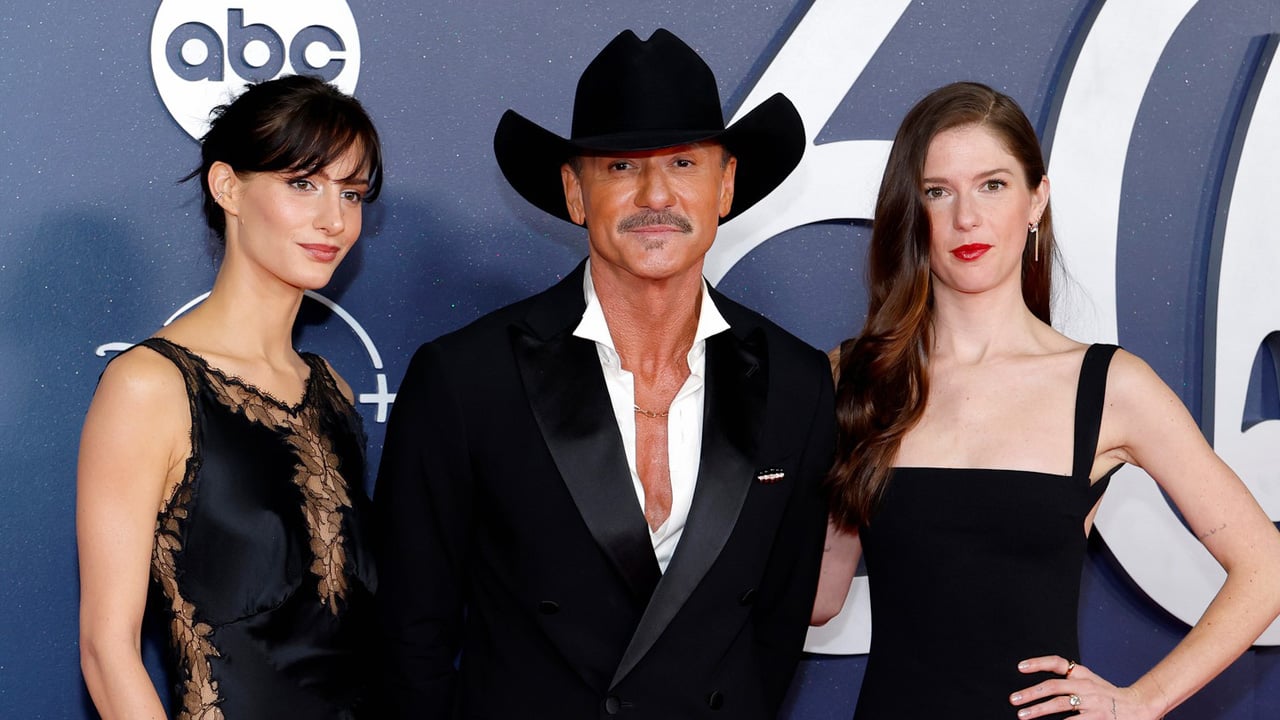 Tim McGraw is Joined by Daughters Audrey & Maggie McGraw at CMAs 2026Just Jared · 2d ago
-
 Tim McGraw & Faith Hill Have CMA Awards Date Night After He Walks Carpet With DaughtersTV Insider · 2d ago
-
See Martin Scorsese’s Sweetest Family Photos with His 3 DaughtersPeople.com · 4d ago
-
Jamie Dornan Says He Was ‘Born to be a Girl Dad,’ Shares Advice for Having DaughtersIMDb · 4d ago
-
Demi Moore’s 3 Daughters Rumer, Scout, and Tallulah Tower Over Her During Rare Red Carpet AppearanceInStyle · 6d ago
-
Demi Moore Says She’s “Blessed” While Sharing Rare Photos of Daughters and Granddaughter in Heartfelt TributeInStyle · Nov 14
-
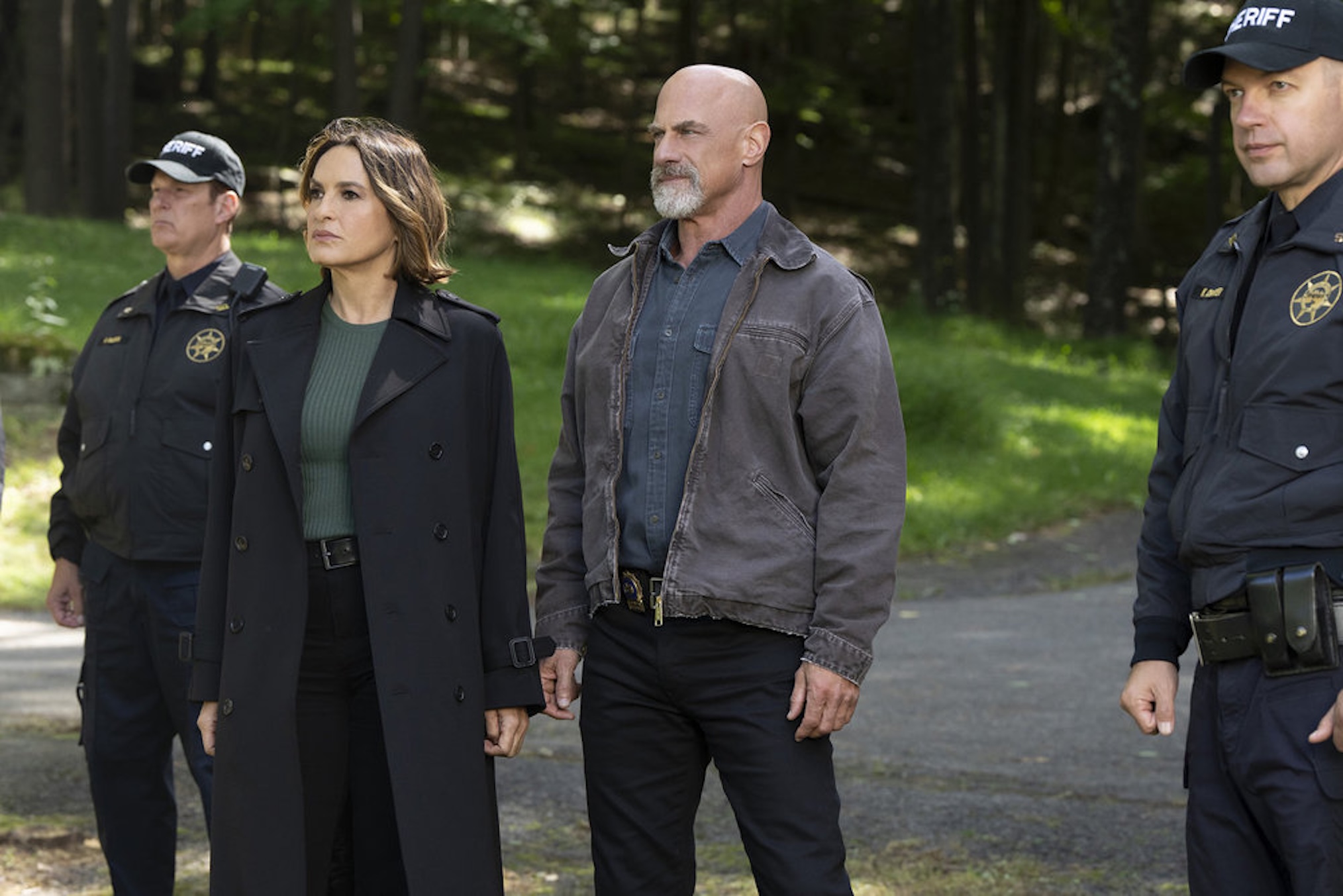 ‘SVU’ Hits 600, Rose Byrne & Meghann Fahy Are ‘Good Daughters,’ ‘Blue Lights’ Premiere, a ‘War’ TrialTV Insider · Nov 12
-
 Gary Sinise’s Children: Meet Daughters Sophie, Ella & Late Son Mac SiniseHollywood Life · Nov 10
What People Are Saying
This wrecked my heart. Gonna hug my niece tight. The prison system is inherently cruel and broken and there must be better. People can’t heal without community, and one of prison’s purposes is to prevent rehabilitation and strip and commodify access to those you love. This is a band aid on a fatal would, and doesn’t pretend to be more, but proves how even a little connection can go a long long way.
Read it on trakt.tvThe prison system in the US is probably in urgent need of reform. The documentary “Daughters” impressively shows what a burden the current strategy of hardly allowing prisoners any visits is, not only for the inmates themselves, but especially for their families. The rate of repeat offenders is also so high because of this inhumane system. The film presents a “Daddy Daughter Dance” program, which is a very sensible alternative to the current practice. The structure of the movie is also very effective, with everything culminating in the emotional coming together of the prisoners and their daughters. Most viewers are likely to shed a tear or two, although the movie didn't come across as emotionally manipulative, at least to me. The only thing you can perhaps criticize the film for in this regard is that the men's actual crimes are not mentioned. And they did some really horrible things. But I also didn't get the feeling that it was about minimizing the crimes or calling for their release. It's simply about humane treatment while they serve their sentences. The documentary is thought-provoking in this respect and is a complete success for that reason alone.
Read it on trakt.tvSome films remind us that cinema, above all, is a window into humanity. “Daughters,” co-directed by Angela Patton and Natalie Rae, is one of those. The documentary isn’t just a portrait of the “Daddy Daughter Dances” Patton organizes in prisons; it’s a deeply moving study of reconnection, vulnerability, and the pursuit of redemption, told with the sensitivity that only such personal stories deserve. The narrative focuses on four girls and their emotional journeys with fathers who are behind bars. Patton and Rae are careful not to present the girls merely as victims of circumstance. They’re shown as complex individuals with dreams, fears, and a resilience that defies their age. Aubrey, for instance, impresses with her precocious intelligence and obsession with numbers, which she uses to calculate how much longer until she sees her dad again. Meanwhile, ten-year-old Santana carries the weight of being “the man” of her family, and Ja’Ana and Raziah, at different ages, cope with their fathers’ absence in ways that range from raw pain to bitter cynicism. But the documentary doesn’t stop at capturing the girls’ stories. It also gives voice to the fathers—men who, even in a punitive environment, are trying to rewrite their narratives. One of the most impactful moments comes during the preparation for the dance, when the dads trade their orange uniforms for suits and ties. This simple act holds powerful symbolism: it’s more than dressing up—it’s a gesture of dignity, a reminder of what it means to be seen as something more than an inmate number or a past mistake. The decision not to delve into the crimes that brought these men to prison is a wise one. The focus here isn’t on judgment but on humanity. As one memorable line in the documentary suggests, “Nobody is as bad as their worst day.” The film wholeheartedly believes that. What matters is what happens when these men are with their daughters, even if only for a few hours: a space where vulnerabilities turn into strengths, reconnection feels possible, and both fathers and daughters are allowed, for a moment, to simply be family. The aesthetics of “Daughters” also stand out. Michael Fernandez’s cinematography takes a lyrical approach, using soft slow-motion effects to capture the innocence of the girls and the emotional weight of lost time. The soundtrack complements the film’s tone perfectly, adding layers of depth without ever feeling manipulative. These visual and auditory choices elevate the documentary, transforming everyday moments into small emotional epiphanies. The most impactful scenes, however, are in the interactions between fathers and daughters. The documentary allows us to witness these relationships being rebuilt in real time. Watching one father teach another how to tie a tie or hand a flower to his daughter at the end of the dance are gestures laden with meaning—small acts that encapsulate years of unspoken love and deep regret. These details could easily slip into cheap sentimentality, but Patton and Rae handle them with care, letting the moments speak for themselves. More than a film about separated families, “Daughters” is also a subtle critique of the prison system and its failure to foster rehabilitation and humanity. The success of the fatherhood program, with a recidivism rate of just 5%, is proof that real change is possible when people are given the chance to reconnect with what truly matters. Yet the film also reminds us of the systemic barriers in place, like the replacement of in-person visits with expensive, impersonal video calls, which only deepen the wounds. In the end, what lingers from “Daughters” is a celebration of the strength of family bonds and the idea that even in the hardest circumstances, there’s room for healing and hope. The film challenges us to see beyond people’s mistakes and recognize the transformative power of a dance, a hug, or a single moment. As one father says, “For those six hours, I wasn’t incarcerated.” And that fleeting sense of freedom—for fathers and daughters alike—is the true soul of this extraordinary documentary.
Read it on trakt.tvThis really pulled on every single one of my heart strings and had me ugly crying. But such an important topic to shed light on. We defo need more programmes like this worldwide. Massive shout out to the prison running this one 👏🏾👏🏾👏🏾
Read it on trakt.tvThis is a really heartwarming documentary, this narrative was very much needed !
Read it on trakt.tvA group of incarcerated fathers are promised the opportunity to have a dance with their young daughters after they undergo some sessions with a counsellor who encourages discussion between them about what the relationship with their children means to each of them. Meantime, we are introduced to the entertainingly enthusiastic Aubrey who is desperate to see her father and who serves as a conduit to other mothers and children who are - with varying degrees of wholeheartedness - involved in this project. Across the next hundred minutes or so, we follow the preparation and anticipation on both sides before the children duly arrive for their brief and emotional afternoon. What got me about this whole thing is the director's decision not to inform us as to just why these men are in jail in the first place. With sentences ranging from the short to thirty years, I quickly felt I was being lured into a feeling of sympathy for individuals about whom I knew practically nothing. As none of the men themselves seemed keen to elaborate own what crimes actually put them in jail, I began to wonder if they were just hard-luck, petty, thieves or serial rapists. Might the youngsters actually be better off without their dads? It's set amidst a prison in Washington D.C. so it does offer us an occasionally interesting look at some aspects of African American familial culture and attitudes but again, it doesn't try to put much meat on any bones from the perspective of the spouses about coping or raising the children in difficult circumstances. The aim of the scheme to reconcile (compulsorily) estranged fathers and daughters is laudable enough, but this documentary really only presents us with a rather incomplete and selective character study. It might work better as a two-part television documentary, but as a cinema piece it's a bit of an unrewarding slog.
Read it on themoviedb.org