The Wind
3m
The story
a woman and the voice with her
Story from TMDB.
Cast
Videos

Whispers in the wind. #DuneMovie
Warner Bros.

“Blowin’ In the Wind” Scene Breakdown | A COMPLETE UNKNOWN
SearchlightPictures

Aniimo - Official Season 1: Departure with the Wind Part 2 Gameplay
IGN

Judy Kuhn "Colors of the Wind" | Disney Princess: The Ultimate Concert Celebration
Disney

A Complete Unknown | “Blowin' in the Wind” by Timothée Chalamet and Monica Barbaro
SearchlightPictures

Trump vs. The Wind
The Late Show with Stephen Colbert

James Cameron, Zoe Saldaña & Sigourney Weaver Break Down ‘Avatar: Fire and Ash’ - The Wind Traders
Entertainment Weekly

Dave Franco Throws Caution to the Wind While Eating Spicy Wings
First We Feast

How to Train Your Dragon Movie Clip - The Wind In My...Cheat Sheet (2025)
Rotten Tomatoes Coming Soon
More Like This

In a World...
2013 · ★ 6.3

Call Me Crazy: A Five Film
2013 · ★ 7.0

Hounddog
2008 · ★ 6.5

Bastard Out of Carolina
1996 · ★ 7.1

I Know That Voice
2014 · ★ 7.1

The Girl in the Book
2015 · ★ 5.8

Strange Weather
2016 · ★ 5.9

Sightless
2020 · ★ 6.7

Advantageous
2015 · ★ 6.0

The Trials of Cate McCall
2013 · ★ 6.4

Heart of a Dog
2015 · ★ 6.5

Lucky Them
2013 · ★ 6.0

One Chance
2013 · ★ 6.7

I Believe in Unicorns
2015 · ★ 6.7

Bobby Jones: Stroke of Genius
2004 · ★ 5.9

Sky
2016 · ★ 6.2

My Mom Jayne
2025 · ★ 8.0

The Safety of Objects
2002 · ★ 6.5

Come See Me in the Good Light
2025 · ★ 7.0

When the Day Breaks
1999 · ★ 6.7
In the News
See All-
 Did Marilyn Monroe Play a Role in Clark Gable’s Untimely Death?TV Insider · 5d ago
-
 The 10 Most Ambitious High Fantasy Books of All Time, RankedCollider · Nov 9
-
 Legend Of Zelda: Wind Waker HD Is Getting The Port It DeservesScreen Rant · Nov 6
-
Behind the Scenes of ‘Gone With the Wind’s’ Eye-Popping 4K Remaster | ExclusiveTheWrap · Nov 2
-
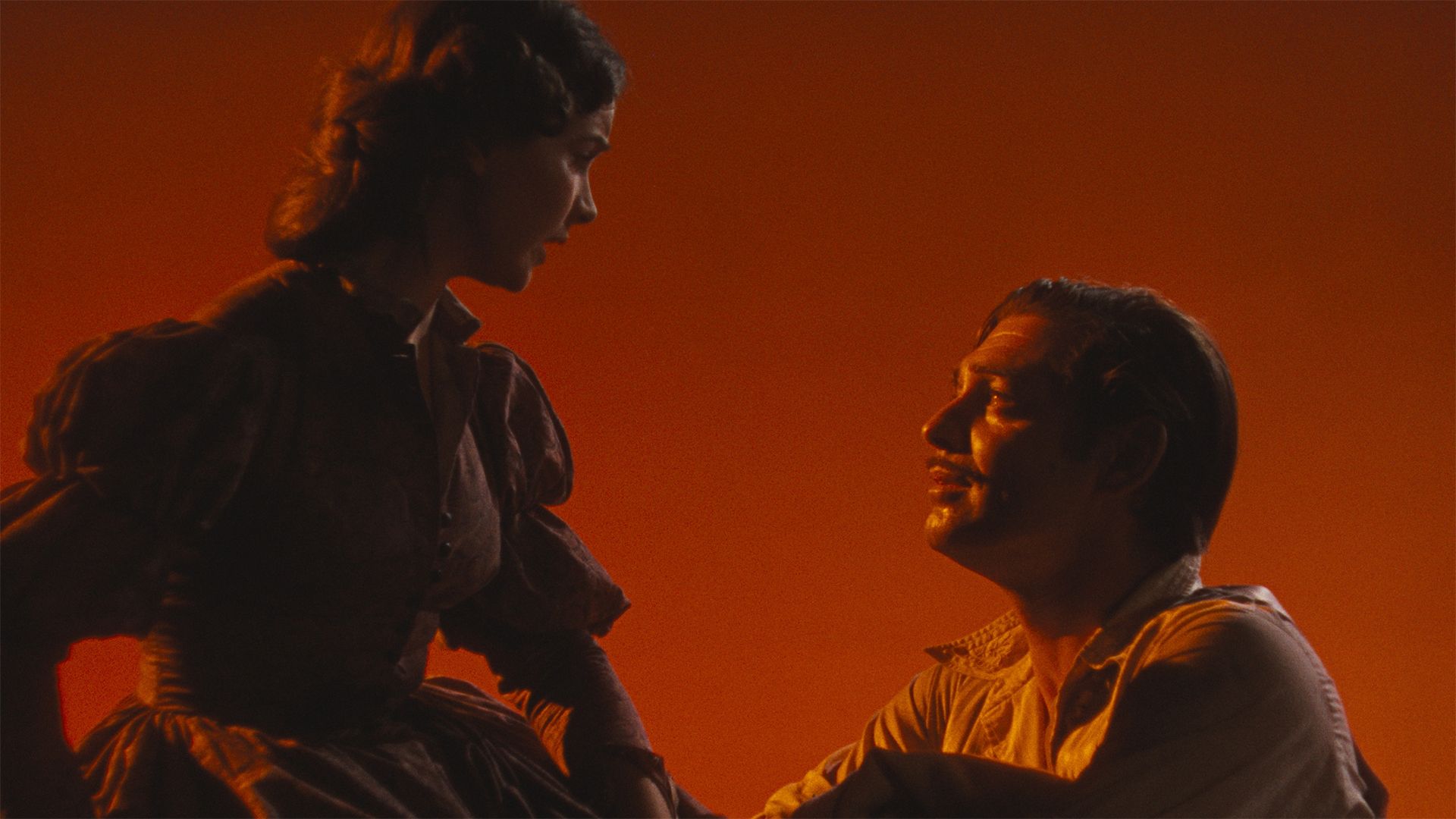 Film Critics Explain How Gone With The Wind Became The "Biggest Movie Ever Made" In New ClipScreen Rant · Nov 2
-
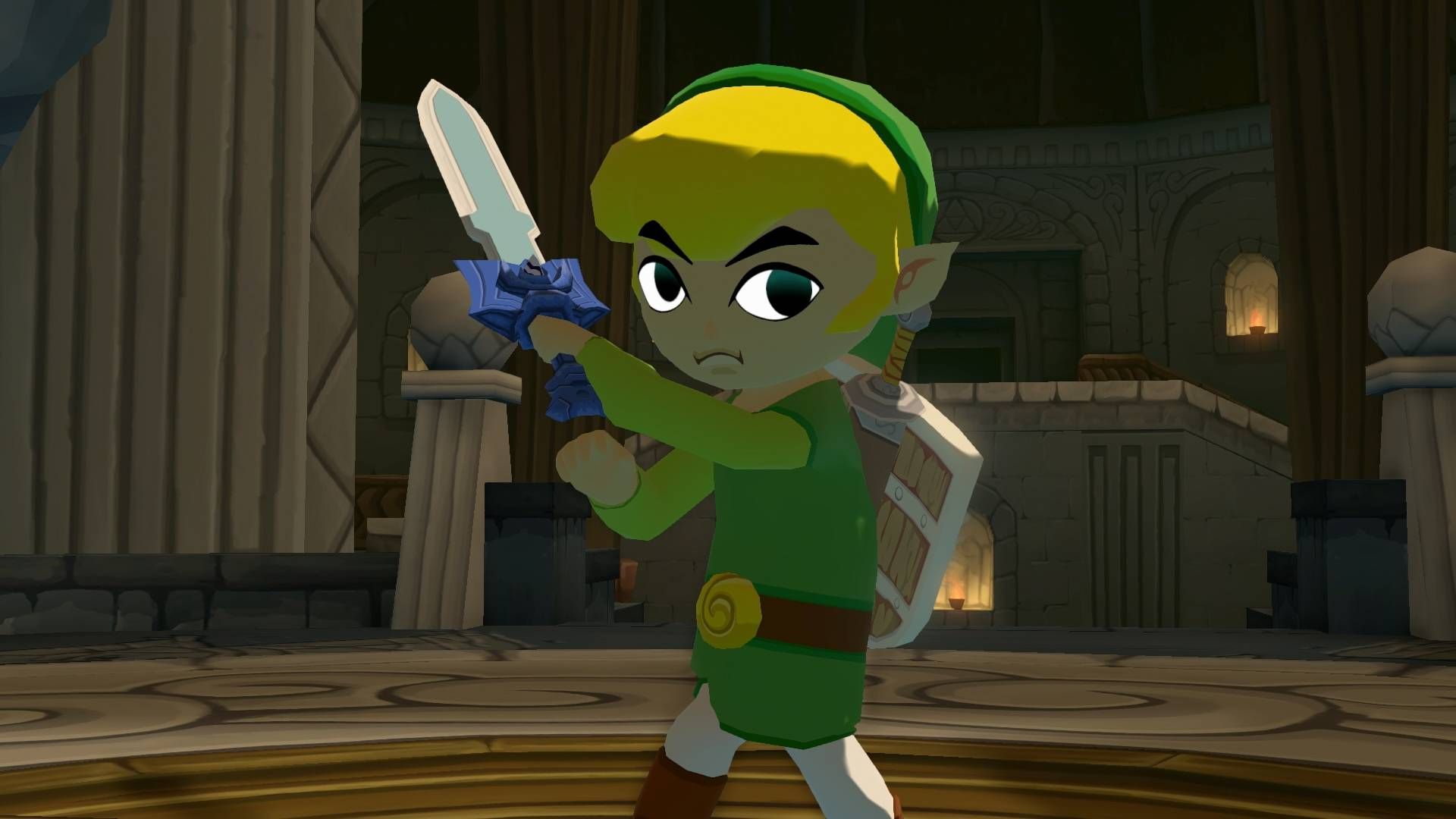 Legend Of Zelda: The Wind Waker Officially Returning Q4 2026 In New CollectionScreen Rant · Oct 29
-
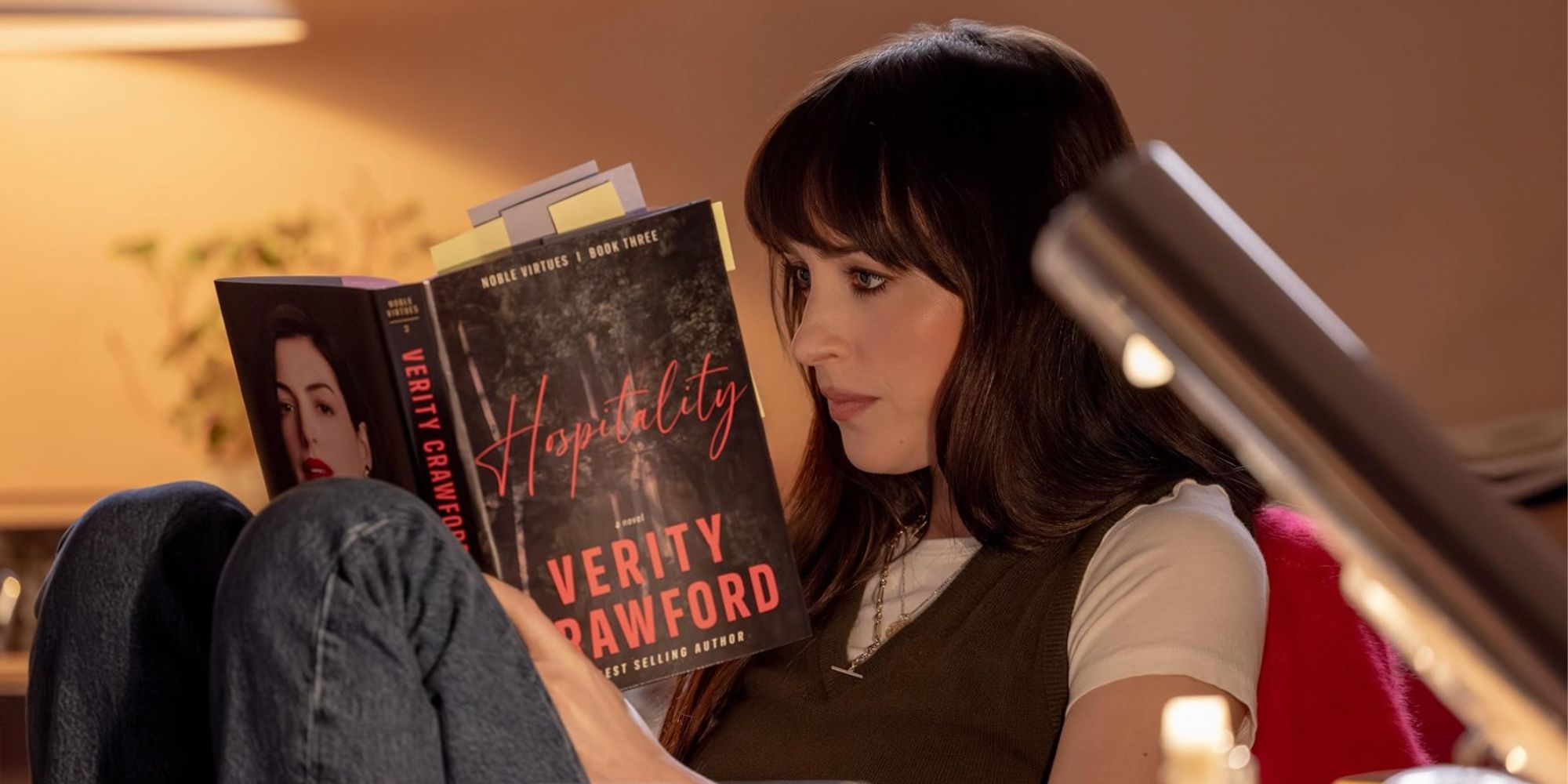 8 Best Mystery Books of All Time, According to GoodreadsCollider · Oct 28
-
‘Wildwood’ Debuts; ‘When The Wind Blows’ Turns 40; Remembering Eric BauzaCartoon Brew · Oct 27
From Wikipedia
Gone with the Wind is a 1939 American epic historical romance film adapted from the 1936 novel by Margaret Mitchell. It was produced by David O. Selznick of Selznick International Pictures and directed by Victor Fleming. Set in the American South during the Civil War and Reconstruction, the film tells the story of Scarlett O'Hara (Vivien Leigh), the strong-willed daughter of a Georgia plantation owner, following her romantic pursuit of Ashley Wilkes (Leslie Howard), who is married to his cousin Melanie Hamilton (Olivia de Havilland), and her subsequent marriage to Rhett Butler (Clark Gable). The production was troubled. The start of filming was delayed for two years until January 1939 because Selznick was determined to secure Gable for the role of Rhett, and filming concluded in July. The role of Scarlett was challenging to cast, and 1,400 unknown women were interviewed for the part. Sidney Howard's initial screenplay underwent many revisions by several writers to reduce it to a suitable length. The original director, George Cukor, was fired shortly after filming began and was replaced by Fleming, who in turn was briefly replaced by Sam Wood while taking some time off due to exhaustion. Post-production concluded in November 1939, just a month before its premiere. Gone With the Wind received generally positive reviews upon its release on December 15, 1939. While the casting was widely praised, the long running time received criticism. At the 12th Academy Awards, Gone with the Wind received ten Academy Awards (eight competitive, two honorary) from thirteen nominations, including wins for Best Picture, Best Director (Fleming), Best Adapted Screenplay (posthumously awarded to Sidney Howard), Best Actress (Leigh), and Best Supporting Actress (Hattie McDaniel, becoming the first African-American to win an Academy Award). It set records for the total number of wins and nominations at the time. Gone with the Wind was immensely popular when first released. It became the highest-earning film made up to that point and held the record for over a quarter of a century. When adjusted for monetary inflation, it remains the highest-grossing film in history. It has been re-released periodically since and is ingrained in popular culture. Although the film has been criticized as historical negationism, glorifying slavery and the Lost Cause of the Confederacy myth, it has been credited with triggering changes in how African-Americans were depicted cinematically. Gone with the Wind is regarded as one of the greatest films of all time, and in 1989, it became one of the twenty-five inaugural films selected for preservation in the United States National Film Registry.
From Wikipedia’s article “Gone with the Wind (film)”, under CC BY-SA 4.0.