

The story
In Ravenna, Italy, Giuliana (Monica Vitti) is walking with her young son, Valerio, towards the petrochemical plant managed by her husband, Ugo. Passing workers who are on strike, Giuliana nervously and impulsively purchases a half-eaten sandwich from one of the workers. They are surrounded by strange industrial structures and debris that create inhuman images and sounds. Inside the plant, Ugo (Carlo Chionetti) is talking with a visiting business associate, Corrado Zeller (Richard Harris), who is looking to recruit workers for an industrial operation in Patagonia, Argentina. Ugo and Corrado converse comfortably in the noisy factory. Ugo tells Corrado that his wife, Giuliana, had a recent auto accident, and though she was physically unhurt, she has not been right mentally. That night in their apartment, Giuliana becomes highly agitated and fearful over a dream she had about sinking in quicksand. Ugo is unable to calm her or understand what she's experiencing.
Story from TheTVDB.
Where to Watch
Where-to-watch data by JustWatch · every service.
Cast

Monica Vitti
Giuliana

Richard Harris
Corrado Zeller
Carlo Chionetti
Ugo
Xenia Valderi
Linda
Rita Renoir
Emilia
Lili Rheims
Telescope Operator's Wife
Aldo Grotti
Max
Valerio Bartoleschi
Valerio
Emanuela Pala Carboni
Girl in Fable
Giuliano Missirini
Radio Telescope Operator
Bruno Borghi
Beppe Conti
Giulio Cotignoli
Giovanni Lolli
Hiram Mino Madonia
Arturo Parmiani
Carla Ravasi
Jole
Ivo Scherpiani
Bruno Scipioni
Videos
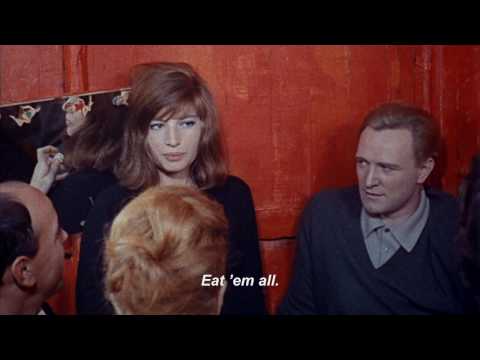
RED DESERT Trailer (1964) - The Criterion Collection
Teaser

Three Reasons: Red Desert - The Criterion Collection
Featurette
More Like This

Perfect Strangers
2016 · ★ 7.8

Europa '51
1952 · ★ 7.3

Sweetheart
2025 · ★ 6.5

Death of a Salesman
1985 · ★ 6.9

The Children's Train
2024 · ★ 7.4

Another Woman
1988 · ★ 6.8

Respiro
2002 · ★ 6.6

Fathers and Daughters
2015 · ★ 7.2

Helen
2009 · ★ 6.5

Bellissima
1952 · ★ 7.8

Mildred Pierce
1945 · ★ 7.6

Blue Jasmine
2013 · ★ 7.0

Vermiglio
2024 · ★ 7.0

Tragedy of a Ridiculous Man
1981 · ★ 6.5

Synecdoche, New York
2008 · ★ 7.5

Noel
2004 · ★ 5.8
The Spiral
2026 · ★ 7.5

Stromboli
1950 · ★ 7.1

Breathe In
2013 · ★ 5.9

The Goddess of Fortune
2019 · ★ 7.1
What People Are Saying
The original title of the film is Il deserto rosso.
Read it on trakt.tvIn this, his first step away from moody black and white cinema, experimental filmmaker Michelangelo Antonioni sets out to "paint with color," and he succeeds with spectacular effect. Each shot resonates with artistry, from the lingering, hazy landscapes to the more complex, structured confines of a factory warehouse. Magnificently well-composed, it truly is like a moving painting. Slow-moving, I should say, because the famed director isn't shy about letting the camera linger and roam. Often, we'll wander away from subjects at the end of their scene to follow a line of paint up the wall or trace a curve of pipes through the cement ceiling. This seems essential, as the light storytelling and rambling, philosophical dialog constantly relies on such subtleties to deliver a sense of deeper meaning. The scant plot, focused around a timid, depressed housewife and her struggle to come to terms with the sad state of her life, can be a tall ask at times because it's so excruciatingly glacier-paced and spiritually draining. The bleak, industrial setting - where billowing towers of man-made chemicals and haunting, noisy machinery are the rule of the day - contains loud metaphors for the character's internal conflict, but you'll have to look and dig to find them. Not an easy film to watch, it can be fascinating but also extremely demanding. I'd call it a mixed success. In terms of proving the medium as a legitimate art form, it's a roaring triumph. As an engaging narrative, it falls very short.
Read it on trakt.tv