

Stanley Kubrick (July 26, 1928 – March 7, 1999) was an American film director, writer, producer, and photographer who lived in England during most of the last four decades of his career. Kubrick was noted for the scrupulous care with which he chose his subjects, his slow method of working, the variety of genres he worked in, his technical perfectionism, and his reclusiveness about his films and personal life. He maintained almost complete artistic control, making movies according to his own whims and time constraints, but with the rare advantage of big-studio financial support for all his endeavors. Kubrick's films are characterized by a formal visual style and meticulous attention to detail—his later films often have elements of surrealism and expressionism that eschews structured linear narrative. His films are repeatedly described as slow and methodical, and are often perceived as a reflection of his obsessive and perfectionist nature. A recurring theme in his films is man's inhumanity to man. While often viewed as expressing an ironic pessimism, a few critics feel his films contain a cautious optimism when viewed more carefully.
The film that first brought him attention to many critics was Paths of Glory (1957), the first of three films of his about the dehumanizing effects of war. Many of his films at first got a lukewarm reception, only to be years later acclaimed as masterpieces that had a seminal influence on many later generations of film-makers. Considered especially groundbreaking was 2001: A Space Odyssey (1968) noted for being both one of the most scientifically realistic and visually innovative science-fiction films ever made while maintaining an enigmatic non-linear storyline. He voluntarily withdrew his film A Clockwork Orange (1971) from England, after it was accused of inspiring copycat crimes which in turn resulted in threats against Kubrick's family. His films were largely successful at the box-office, although Barry Lyndon (1975) performed poorly in the United States. Living authors Anthony Burgess and Stephen King were both unhappy with Kubrick's adaptations of their novels A Clockwork Orange and The Shining (1980) respectively, and both authors were engaged with subsequent adaptations. All of Kubrick's films from the mid-1950s to his death except for The Shining were nominated for Oscars, Golden Globes, or BAFTAs. Although he was nominated for an Academy Award as a screenwriter and director on several occasions, his only personal win was for the special effects in 2001: A Space Odyssey.
Even though all of his films, apart from the first two, were adapted from novels or short stories, his works have been described by Jason Ankeny and others as "original and visionary". Although some critics, notably Andrew Sarris and Pauline Kael, frequently disparaged Kubrick's work, Ankeny describes Kubrick as one of the most "universally acclaimed and influential directors of the postwar era" with a "standing unique among the filmmakers of his day."
Story from TMDB.
Known For

The Shining
1980 · Screenplay, Producer, Director

A Clockwork Orange
1971 · Director, Screenplay, Producer

2001: A Space Odyssey
1968 · Astronaut Breathing (voice) (uncredited)

Full Metal Jacket
1987 · Murphy (voice) (uncredited)

Eyes Wide Shut
1999 · Man at Café Sonata (uncredited)

A.I. Artificial Intelligence
2001 · In Memory Of, Development Producer, Creator

Dr. Strangelove or: How I Learned to Stop Worrying and Love the Bomb
1964 · Screenplay, Producer, Director

Paths of Glory
1957 · Director, Screenplay, Executive Producer, Additional Photography

Barry Lyndon
1975 · Producer, Screenplay, Director

Spartacus
1960 · Director

Lolita
1962 · Director

The Killing
1956 · Director, Screenplay

Killer's Kiss
1955 · Director, Producer, Story, Editor, Sound Editor, Director of Photography

Fear and Desire
1953 · Director, Producer, Director of Photography, Editor

Flying Padre
1951 · Director, Director of Photography

The Seafarers
1953 · Director, Director of Photography, Sound, Editor

2001: The Making of a Myth
2001

Dreams That Money Can Buy
1947 · Theatre Extra

Inside: 'Dr. Strangelove or How I Learned to Stop Worrying and Love the Bomb'
2000

Kubrick Remembered
2014
Directed
Interviews & Videos

Vincent D’Onofrio Hung Up on Stanley Kubrick Before Getting Cast in Full Metal Jacket
Late Night with Seth Meyers

Vincent D’Onofrio reveals the most amount of takes he's seen an actor do for Stanley Kubrick
Late Night with Seth Meyers

Why We're Obsessed with Stanley Kubrick Movies— Kubrick's Directing Style Explained
StudioBinder

The Lost Films of Stanley Kubrick that Never Got Made
Facts Verse

The Shining: Stanley Kubrick vs Stephen King | Production Tales From Hell
Dead Meat

John Turturro reveals Stanley Kubrick wrote a role for him in EYES WIDE SHUT
Josh Horowitz

Nicole Kidman Explains Stanley Kubrick's Hard & Fast Rule
GQ

How Stanley Kubrick Influenced Simone Ashley's Harrowing New Thriller This Tempting Madness
Collider Interviews

“2001: A Space Odyssey” Opening Scene — How Stanley Kubrick Directed the Iconic “Dawn of Man" Intro
StudioBinder

John Turturro talks SEVERANCE, THE BIG LEBOWSKI, DO THE RIGHT THING, Spike Lee, Stanley Kubrick
Josh Horowitz
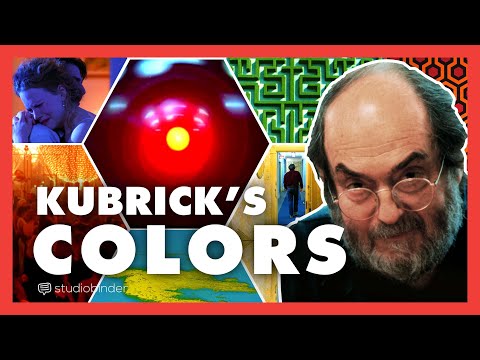
The Colors of Stanley Kubrick — Color Theory from The Shining to 2001: A Space Odyssey and More
StudioBinder
In the News
See All-
 Ridley Scott's Blade Runner Used Extra Footage From A Stanley Kubrick MovieSlash Film · Nov 14
-
 ‘Godzilla Minus Zero’ Director Takashi Yamazaki Dreamed of Seeing His Hometown Destroyed by King Ghidorah. He Finally Made It Happen.Variety · Nov 7
-
 ‘Godzilla Minus Zero’ Review: Oscar-Winning Takashi Yamazaki’s Vision Of Japan’s Most Iconic Monster Is Back Bigger Than Ever Battling An Even Deadlier FoeDeadline · Nov 4
-
5 Big Challenges in Creating Criterion’s ‘The Complete Kubrick’: From Navigating HDR/4K to Preserving Stanley Kubrick’s Love of Mono SoundIndieWire · Nov 3
-
Stanley Kubrick Told the Vanishing’s Director He’d Seen It 10 Times and Called It the Scariest Film He’d Ever WatchedCreepy Catalog · Oct 31
-
TCM and Criterion Present Rare Stanley Kubrick Interview in Full on The Plot ThickensCinema Sentries · Oct 31
-
The Ultimate Gift for Film Lovers? Criterion’s New Stanley Kubrick Box SetVariety · Oct 30
-
A bunch of items from Stanley Kubrick’s personal archiveAdafruit · Oct 30